Why Play Is the Best Way Your Child Can Learn
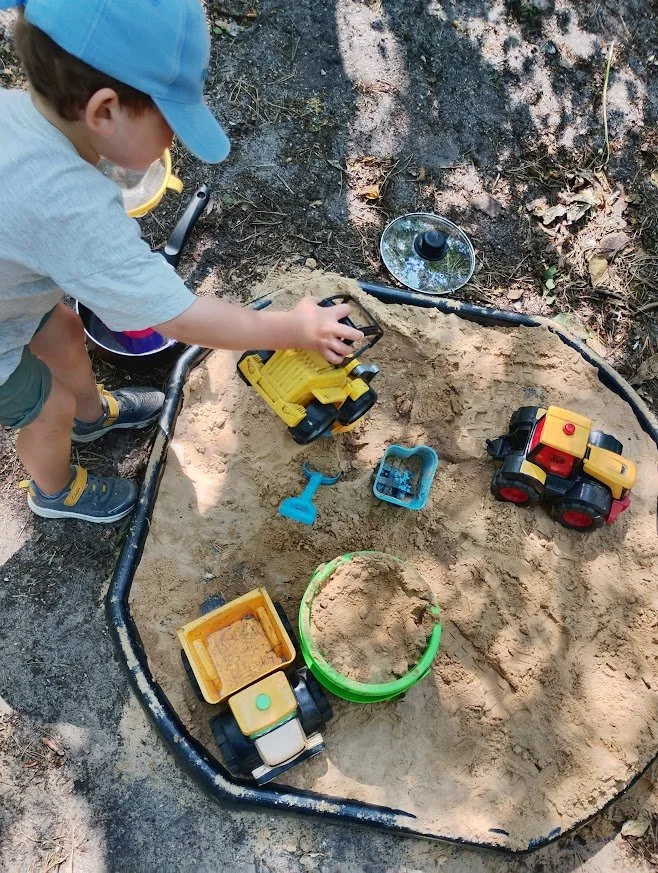
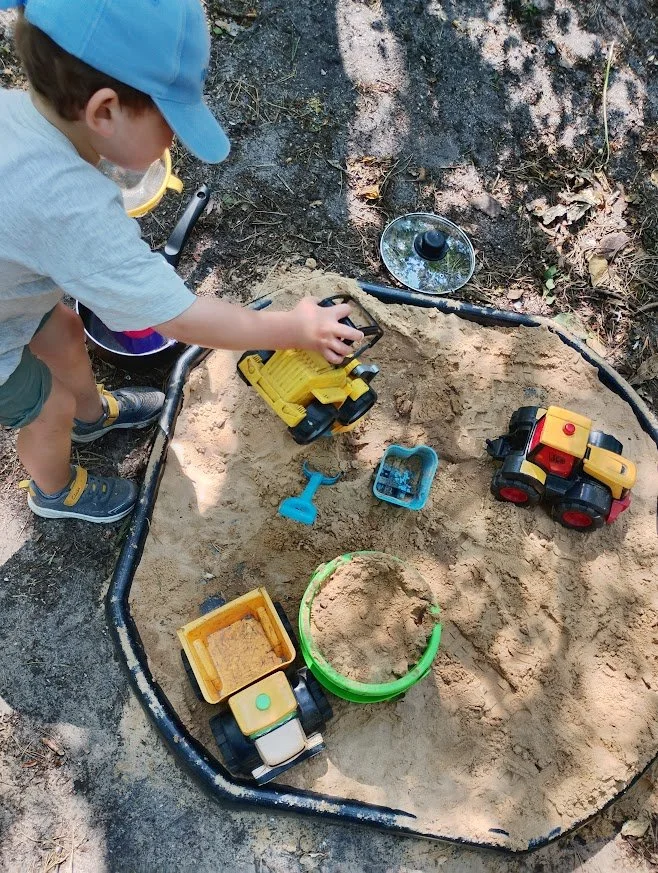
My son playing with toy diggers and sand at our local forest school.
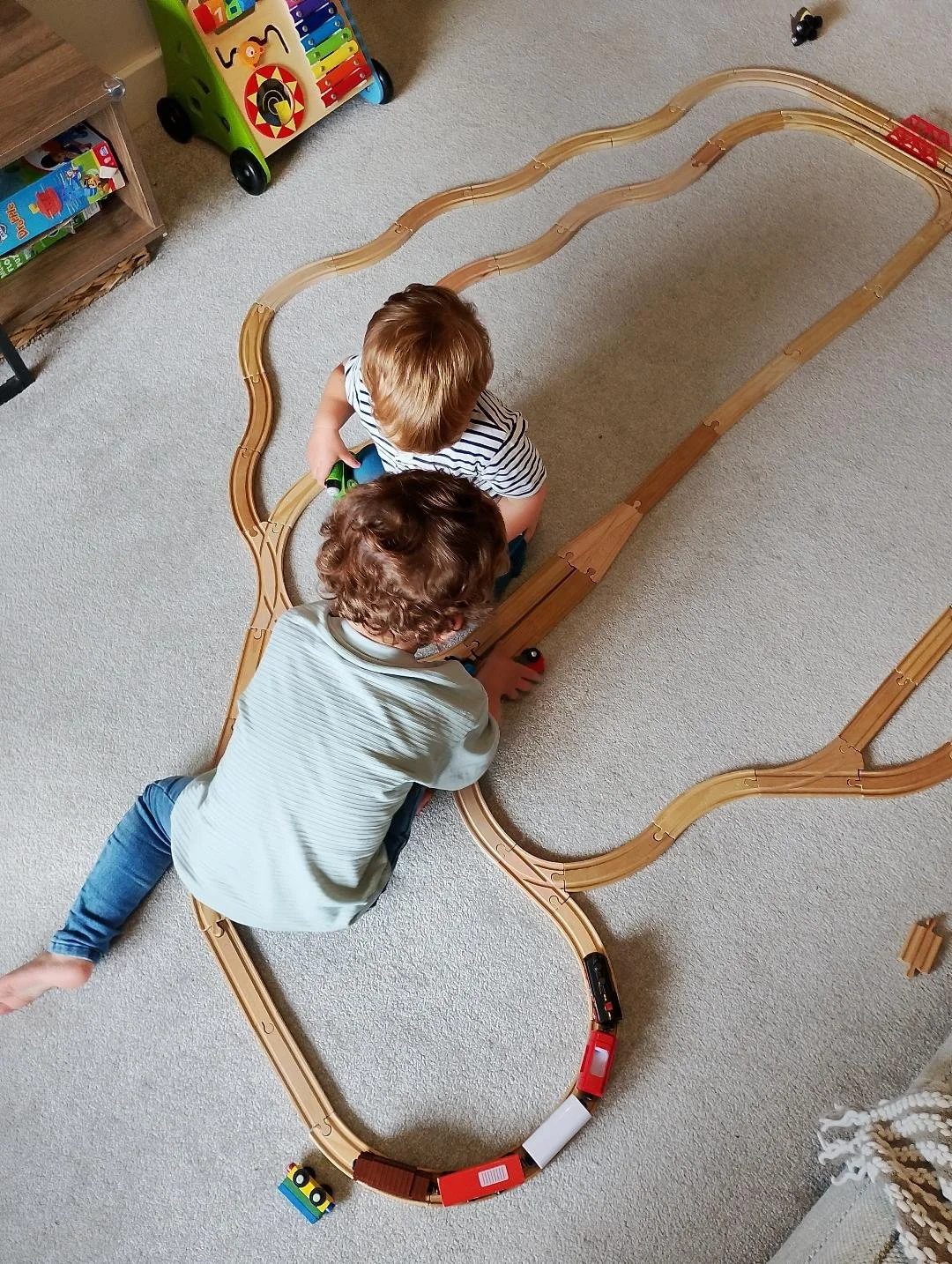
I spent six years as a primary school teacher before becoming a mum. And in all that time, the most valuable thing I learned wasn't about phonics schemes or maths curricula. It was this: when young children are playing, they are learning. Constantly, deeply and in ways that no formal lesson can replicate. I know that can be hard to believe when you're watching your child spend forty minutes driving a toy train around the same track. But stay with me.
What the research actually says
Researchers and early childhood educators have studied play based learning for decades and the evidence is consistent. Play based learning supports children's academic, social and emotional development in ways that more formal instruction simply doesn't at this age. A major review of studies published between 2015 and 2023 found that play based approaches consistently supported the holistic development of children aged four to six across a wide range of outcomes.
In plain terms: playing isn't instead of learning. It is the learning.
Learning is happening everywhere, all the time
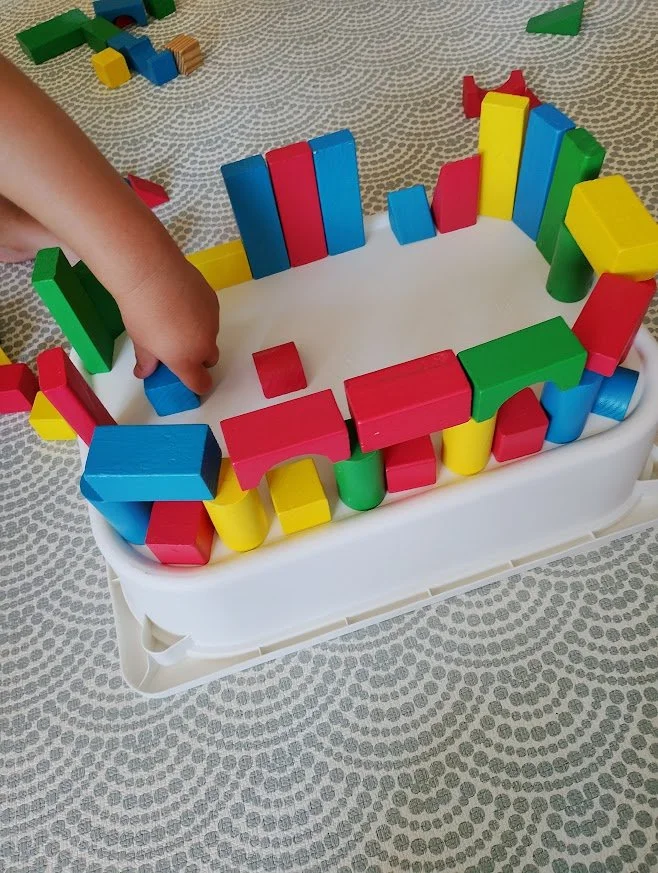
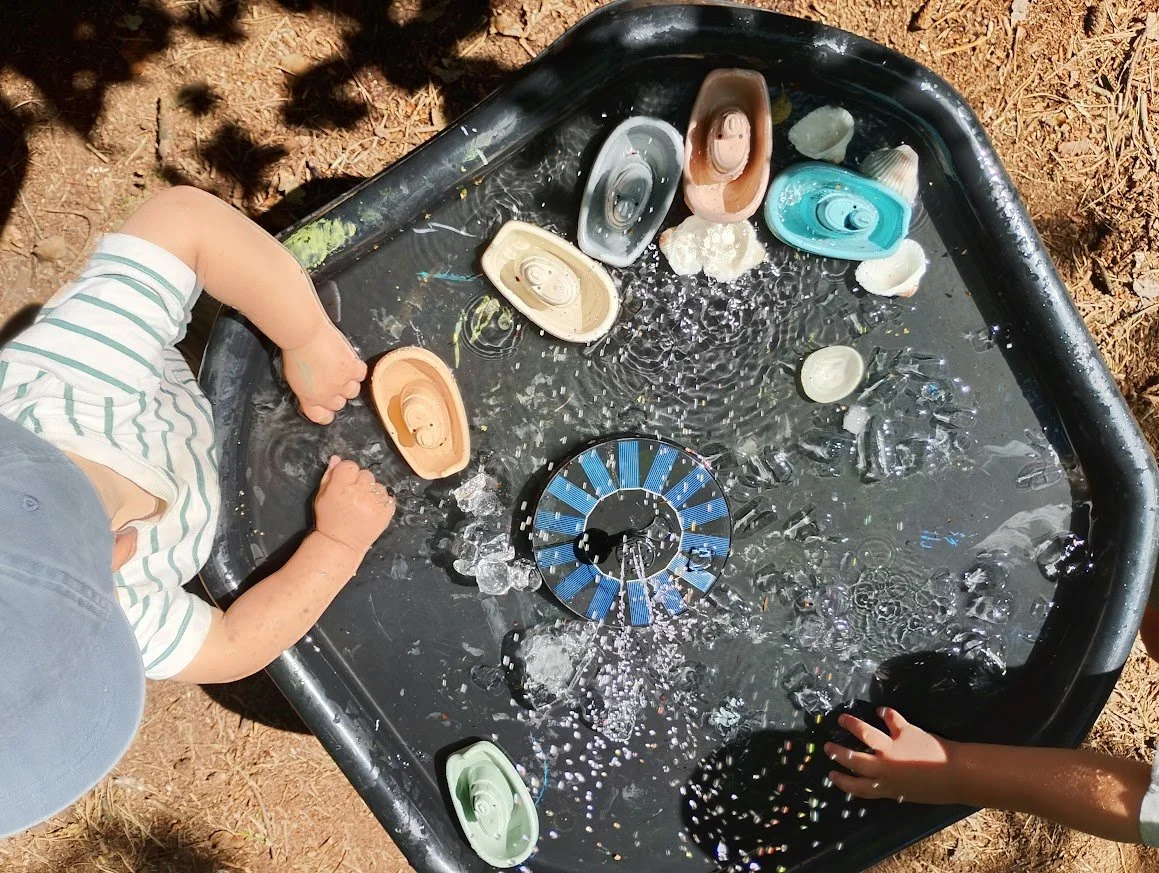
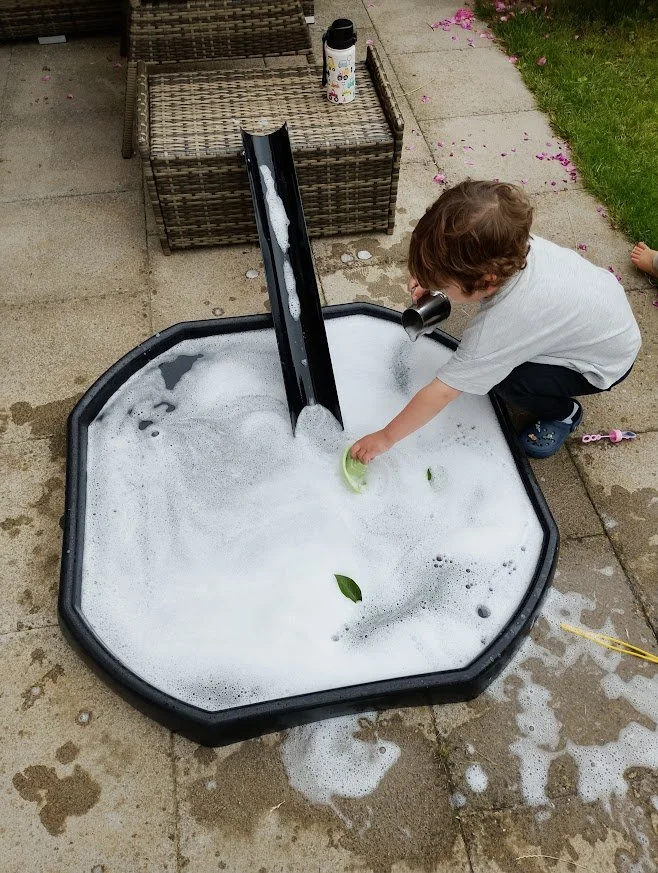
When your child builds a tower of blocks, they're exploring balance, weight and what happens when things fall. When they play in water, they're discovering volume and cause and effect. When they kick a ball, they're developing coordination, spatial awareness and an understanding of force. When they ride a bike, they're building core strength, concentration and resilience.
None of this looks like school. None of it involves sitting at a table. And all of it is laying the foundations for everything that comes later.
Why pressure can have the opposite effect
Here's something I saw again and again in the classroom. When a child feels pressured to learn, something changes. Their brain moves into a state of stress rather than openness. They resist. They shut down. They decide they can't do it before they've even tried.
But when learning happens inside play, none of that happens. A child who is playing is relaxed, engaged and curious. They'll try things over and over not because they've been asked to but because they want to. That's the state in which real learning sticks.
What it can look like in practice
My eldest is nearly four. Last week he drove his trains around the track following simple clue cards at each station telling him which animal needed to be delivered there. He was reading. And because there was a playful purpose behind it, he was completely motivated to do it. No pressure, no persuasion needed.
A few days before that we set up ten cups as skittles, rolled a ball and counted how many had fallen down and how many were still standing. Ten cups. Three down. How many left? Seven. We played it over and over because he kept wanting another go.
Neither of those things looked like a lesson. There was no sitting down, no instruction, no sense that anything was being tested. Just a child playing and a little bit of magic quietly doing its work.
That's the sweet spot. And it's more accessible than most parents think.
What this means for you at home
You don't need to set up formal learning sessions. You don't need special resources or a dedicated space. You just need a little knowledge, a playful approach and the confidence to try. Set something up, bring your enthusiasm and more often than not your child's curiosity will do the rest. And if today isn't the day, that's fine too. Leave it and try again tomorrow. There's no pressure and no schedule. Just play.
Sand, water, blocks, paint, trains, bikes, mud. All of it counts.
And when you're ready to weave in early reading, writing or maths, the trick is to let it stay play. Something simple, something fun, something your child would choose to do again.
That's what Play Nest Learning is built around. Not because it's the easy option but because the research, and six years in the classroom, tells me it's the right one.
Want simple play based ideas for early reading and writing at home? Download our free guide here.
Ruth 🐦