
Letter Sounds vs Alphabet Song: Which Should Come First?
If your child can sing the alphabet song word for word but still struggles when it comes to reading, you're not alone, and you haven't done anything wrong. This is a common question that parents ask, so let's clear it up.
The alphabet song teaches letter names. Reading needs letter sounds.
When your child sings "A, B, C," they're learning letter names, the labels we give each letter. But when they come to read a word like "cat," names don't help them. They need to know that C says "c," A says "a," and T says "t," then blend those sounds together.
This is the bit that trips a lot of children up. They've confidently learned that the letter is called "aitch" or "double-u," but that doesn't map onto the sound they need to blend when they're sounding out a word. It's not that the alphabet song is bad, it's just teaching a different skill to the one reading actually relies on.
So what should come first?
Letter sounds. Always. Once your child is confidently connecting letters to their sounds, and can blend a few together, the alphabet song becomes a lovely bit of extra fun rather than something they're relying on to read.
The good news is that learning letter sounds doesn't need to feel like a lesson. It works best woven into play your child already loves.
Two simple ways to practise letter sounds at home
Sound Hunt
Hide a handful of objects around the room that all begin with one sound, then send your child off to find them. It's part treasure hunt, part learning, and it works anywhere in the house or garden.
Sound Chef
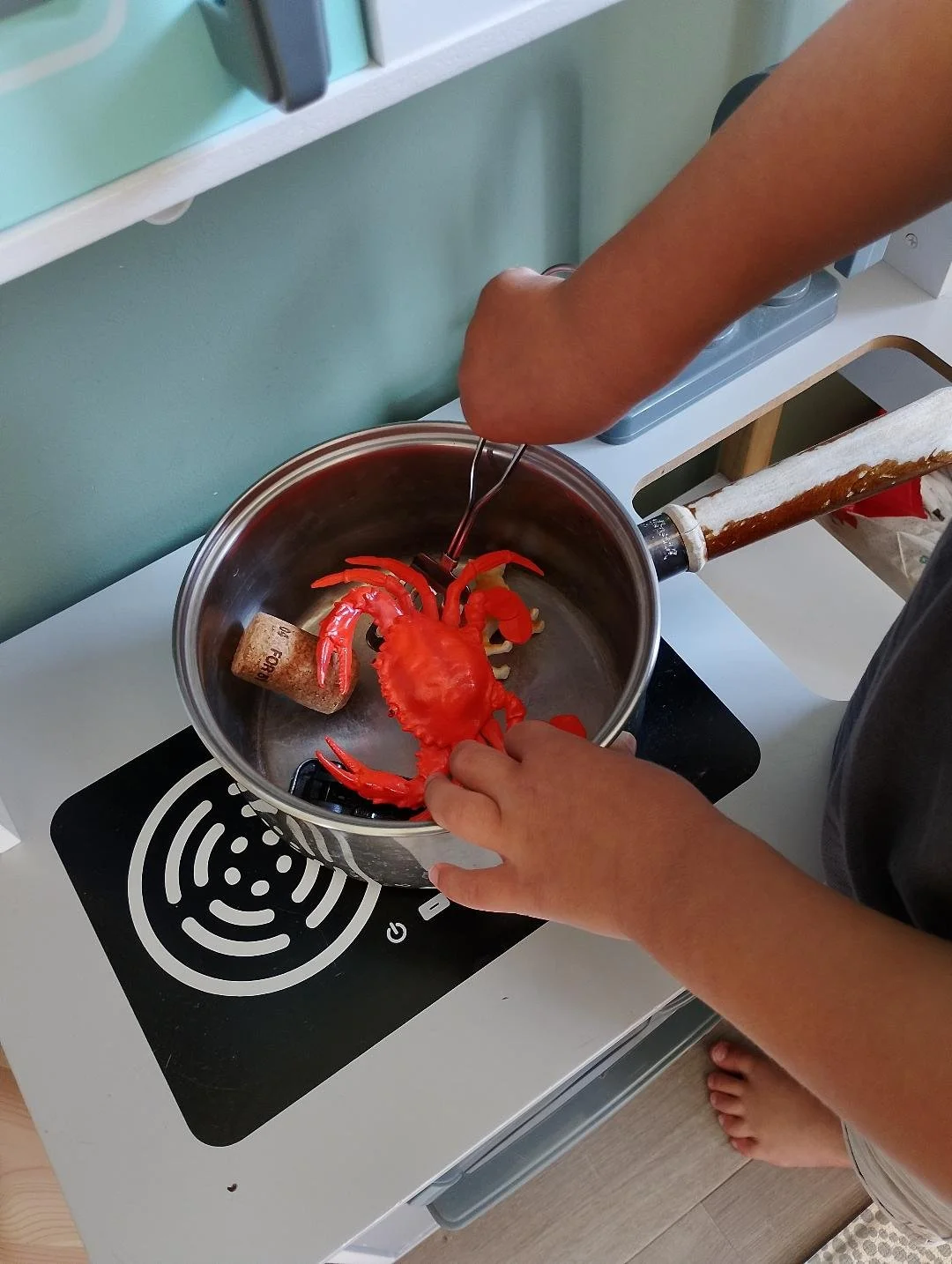
Set up a pretend kitchen. Pick a sound. Today's soup only uses ingredients that begin with it. If you're making ‘c’ soup, you're on the hunt for things like a cat, a car, a cork and a crab. Say each sound together as your child drops their ingredients in. It's silly, it's hands on, and the sound sticks because they're too busy giggling to notice they're learning.
The bottom line
The alphabet song has its place, it's a fun family favourite, but it isn't the tool that teaches your child to read. Letter sounds are. Start there, keep it playful, and the rest follows.
30 play-based activities designed to build letter sound confidence through movement, imaginative play and sensory exploration.
Low prep, just play.