
5 Signs Your Child Is Ready to Learn Letter Formation
Mark making, the scribbles, shapes and lines your child makes with a crayon, a finger in sand or a stick in mud, is writing in its own right, and the right ideas and materials help it flourish. But forming letters is a step further. It's not something a child arrives at through mark making alone, it needs some direct input from you, showing them how a shape is actually made. So it's only natural to wonder when the right time is to introduce it. The reassuring part is that your child often shows you, in small ways, before you even have to ask. You just need to know what to look for.
Mark making grows with play. Letter formation needs you to show them.
Through everyday play, a child builds control, meaning and curiosity, and the right activities help that grow further. But knowing how to form a letter isn't something they'll work out by themselves. These signs aren't a countdown to writing, they're the point where it's worth stepping in and showing them.
Here's what to actually look for.
5 signs your child is ready to be introduced to letters
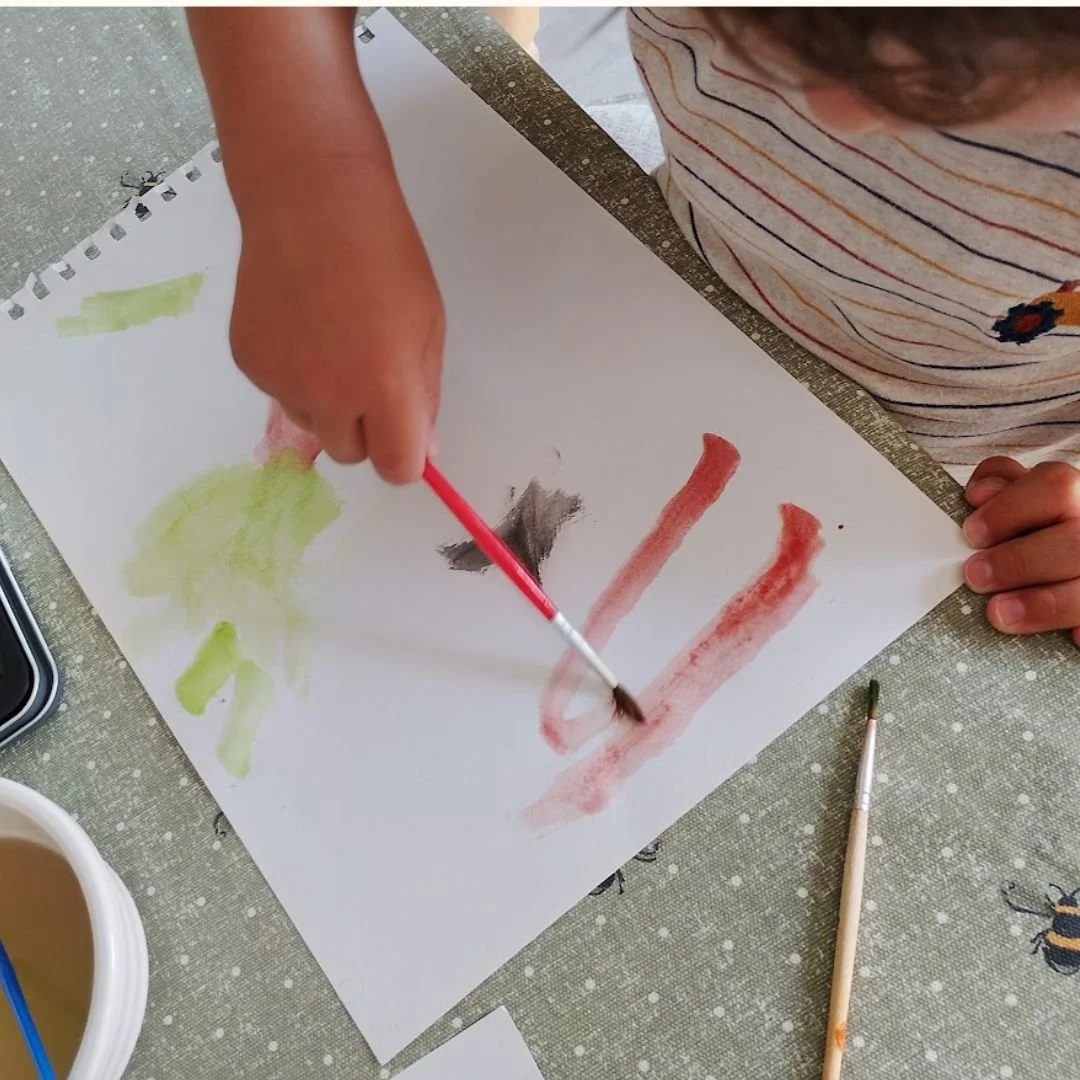
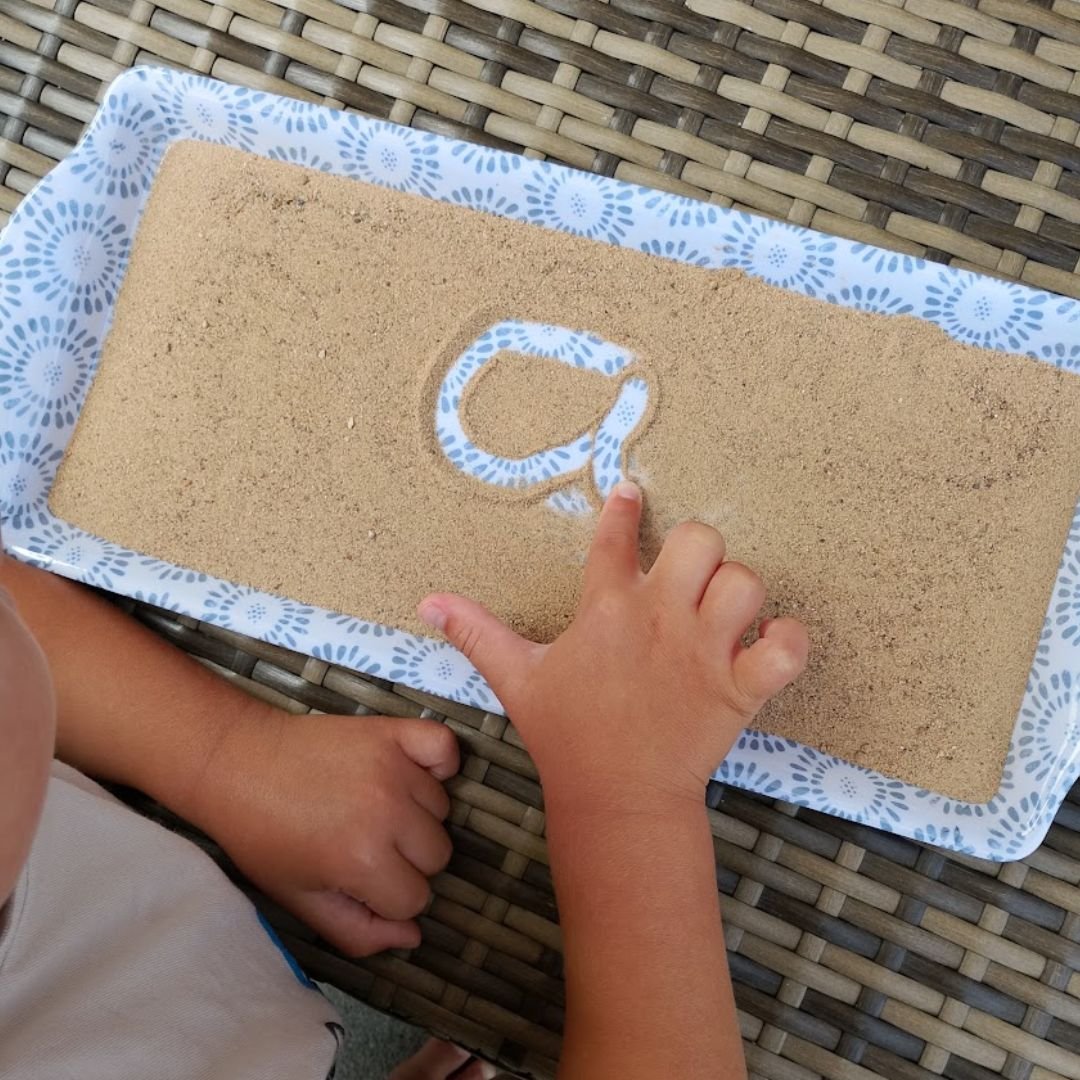
1. A controlled mark, in any medium Whether it's a crayon, a paintbrush or a finger in sand, the material doesn't matter. What matters is that the mark goes roughly where your child intends it to go. That control is what letter formation will build on.
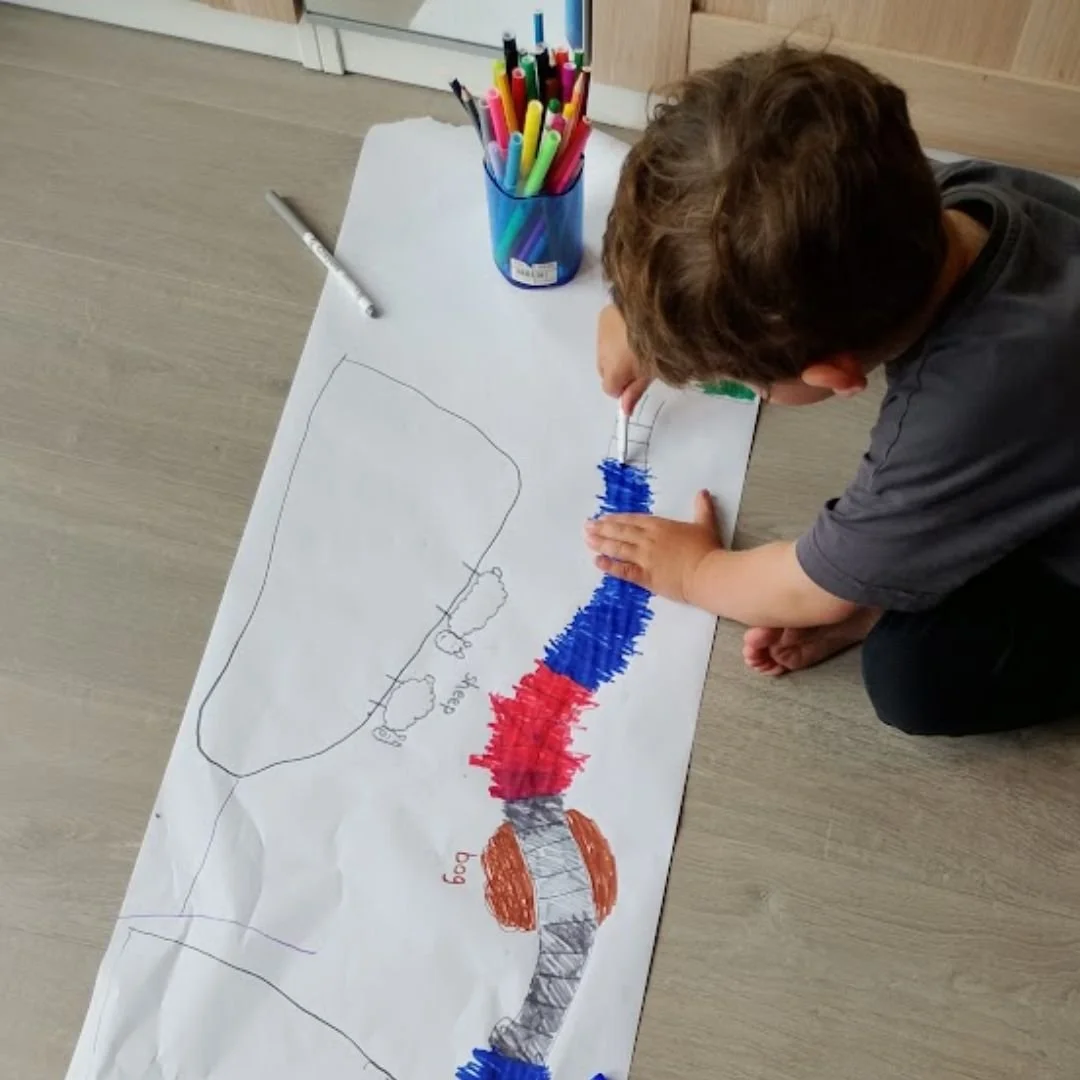
2. Marks that start to mean something "That's my name" or "that's a dog." The mark itself doesn't need to look like anything recognisable yet. What matters is that your child has started attaching meaning to what they draw, which is the same instinct that makes writing a word feel worthwhile.
3. Circles and basic lines These simple shapes are the building blocks most letters are made from. A child who can confidently draw a circle or a straight line, in any medium, already has the physical movements most letters need.
4. Noticing letters out in the world Pointing at the first letter of their name on a sign, or asking what a word says. This curiosity is often the clearest signal that a child is ready to learn what those shapes actually are.
5. Asking how to write something This is the big one. When a child asks how to spell their name or write a word, they're telling you directly that they're ready.
Simple ways to start introducing letters
Use a rhyme for each shape A short, consistent rhyme said out loud as your child forms a letter helps the movement stick far quicker than watching you do it once. It doesn't need to be complicated, the same few words every time is what builds the muscle memory. Say it together as they practise and let repetition do the work.
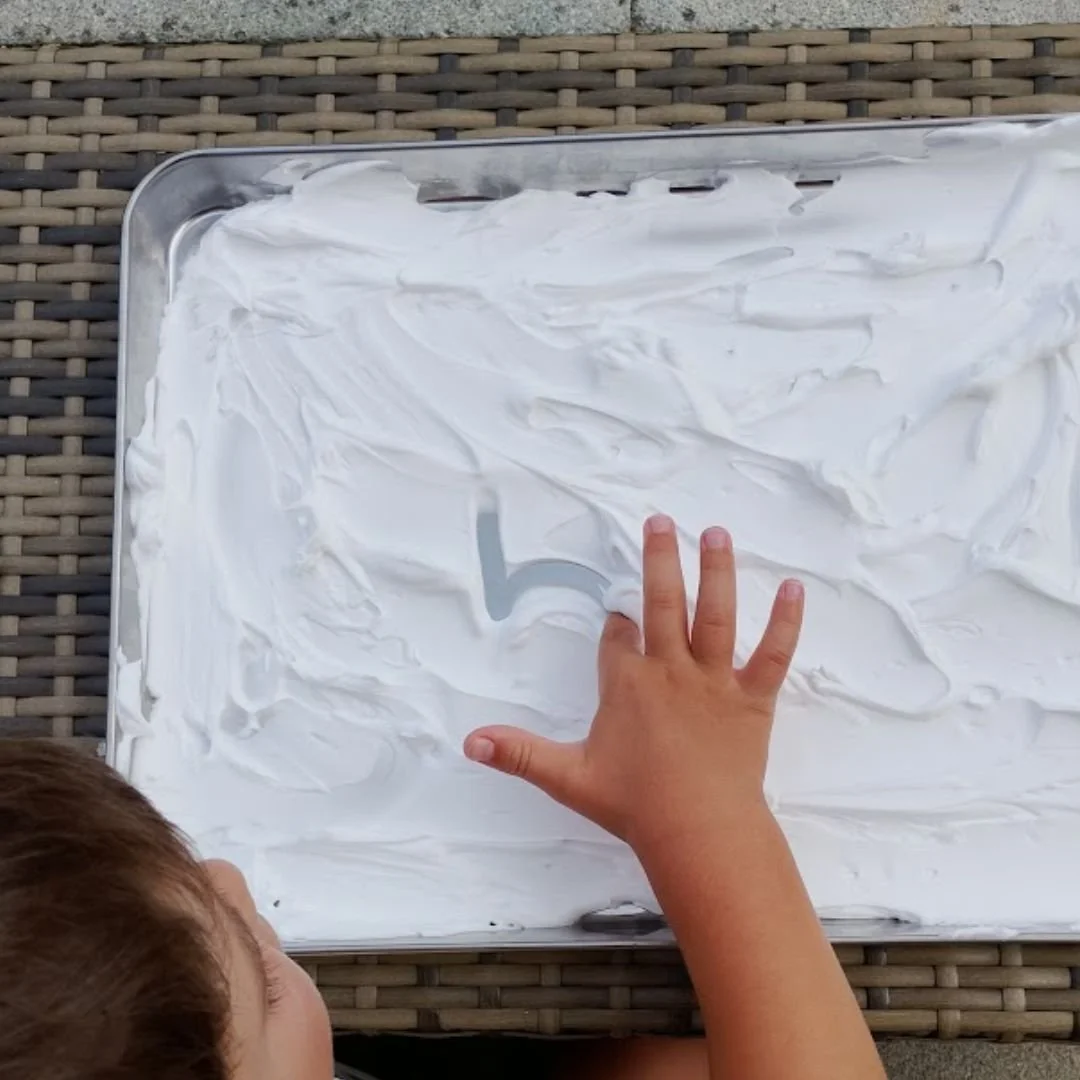
Shaving Foam Spread shaving foam on a tray and let your child draw freely with their fingers, lines, circles, and eventually the letters you're introducing. Smooth it flat and start again. Nothing is permanent, so a wobbly attempt is never a mistake that sticks around, just wipe it flat and go again.
Vanishing Letters Fill a pot with water and head outside with a large paintbrush to paint letters onto a fence or wall. They vanish as they dry, ready to try again. No mistake ever sticks around, which takes the pressure off completely.
Both of these came from our Let's Write Activity Pack, and if you've seen them on our Instagram or Facebook recently, this is the thinking behind them.
The bottom line
Writing readiness rarely arrives all at once, and it rarely looks tidy. If your child is showing even one or two of these signs, they're closer than you think. Keep it playful, follow their lead, and the right moment to introduce letters will usually make itself obvious.
30 play-based activities designed to build letter formation, hand control and writing confidence through everyday materials. Low pressure, low prep, just play.
A play-based guide covering pencil grip, letter formation and how to make writing feel like part of the fun, not a task.